PRESS RELEASE
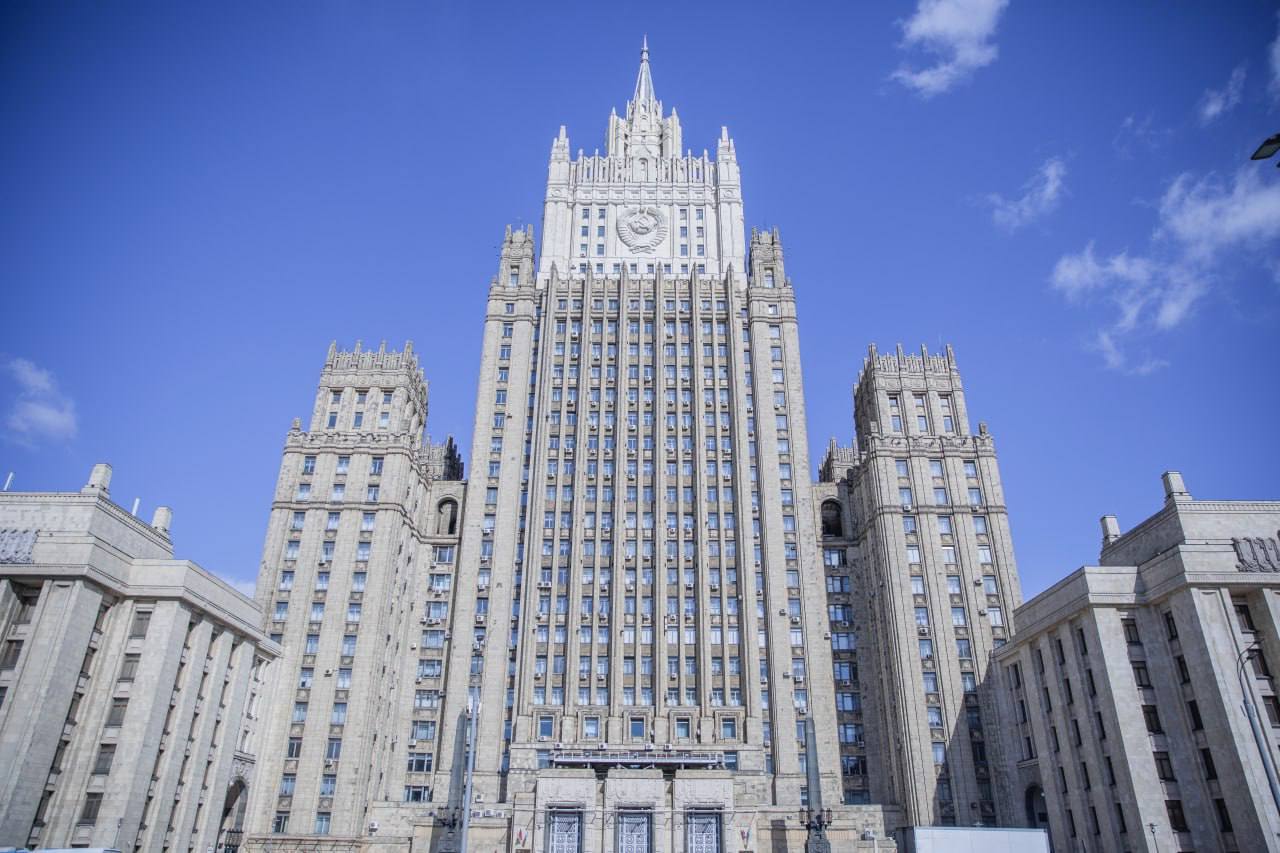 April 10, 2026(Kamran Raja):The Ministry of Foreign Affairs of the Russia has issued a statement regarding the evolving situation in the Middle East, highlighting a potential opportunity for de-escalation and diplomatic resolution in the Persian Gulf.
According to the statement, a “window of opportunity” is emerging to address the complex challenges facing the region. The majority of countries have expressed support for ongoing peace efforts, placing particular hope in the anticipated negotiations between the United States and the Iran, which are scheduled to take place in Islamabad with the facilitation of Pakistan.
However, the Russian Foreign Ministry expressed concern that certain actors are hindering progress toward peace by creating obstacles, whether deliberately or unintentionally. The statement specifically criticized attempts to shift responsibility onto Iran for disruptions in maritime security in the Strait of Hormuz, noting that the waterway functioned without interruption until February 28.
The Ministry emphasized that the central priority at this stage is to address the root causes of the ongoing conflict, including bringing an end to what it described as a war initiated by the United States and Israel. The statement highlighted the broader regional consequences of the conflict, including its impact on countries of the Arabian Peninsula, heightened tensions along the Lebanese-Israeli border, and ongoing missile and air strikes on Lebanon, all of which, it stressed, must cease immediately.
Reaffirming its position, Russia called for resolving disputes through political and diplomatic means, underscoring its commitment to working closely with international partners to advance constructive peace efforts and promote stability across the Middle East.
The statement also urged all parties participating in the upcoming talks in Pakistan to act responsibly and avoid any actions that could undermine the fragile opportunity for peace.
Finally, Russia reiterated its longstanding proposal to establish a comprehensive security framework for the Persian Gulf region. This initiative envisions dialogue among all littoral states—including Arab countries and the Islamic Republic of Iran—with the support of external stakeholders capable of contributing to a balanced, fair, and sustainable regional order.