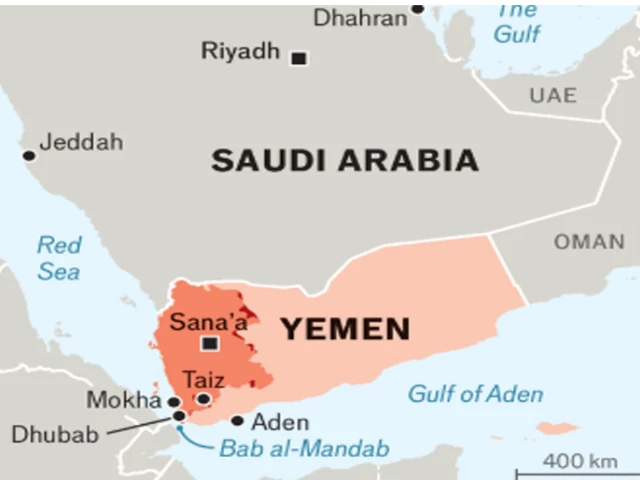
Riyadh, 6 November, 2026 (Ghufran): Saudi Arabia has firmly rejected a Wall Street Journal report alleging that Yemen’s Houthi movement demanded $51 billion and formal recognition as the country’s legitimate rulers in exchange for ending hostilities with the kingdom, describing the claims as entirely fabricated and without factual basis. In a statement posted on X, Deputy Minister for Public Diplomacy Rayed Krimly categorically dismissed the newspaper’s report, accusing its writers or their sources of circulating baseless information. Krimly said the Houthis had rebelled against Yemen’s internationally recognised government, contributed to the suffering and starvation of its population, and dragged the country into conflicts and external agendas that did not serve its national interests. He further accused the group of targeting commercial vessels in the Red Sea, attacking civilian and economic infrastructure, and obstructing peace initiatives. The Saudi official emphasised that Yemen already has an internationally recognised government, rejecting any suggestion that the Houthi movement should be granted such recognition. The Wall Street Journal had reported, citing individuals familiar with the discussions, that the Iran-backed group sought $51 billion in compensation for years of Saudi military strikes and a prolonged blockade, alongside recognition as Yemen’s governing authority. According to the report, the demands emerged after Riyadh approached the Houthis to explore a negotiated settlement following attacks on Saudi oil tankers in the Red Sea and the group’s seizure of strategic territory overlooking the Bab Al Mandab Strait. The newspaper said the proposed recognition could undermine Yemen’s internationally recognised government, which is backed by Saudi Arabia, while strengthening the Iran-aligned movement along the kingdom’s southern border. The reported demands come amid renewed tensions between the Houthis and the Saudi-led coalition supporting Yemen’s recognised government. Houthi attacks have reportedly intensified as the group advances towards the Bab Al Mandab Strait, a strategically important global shipping route connecting the Red Sea with the Gulf of Aden.