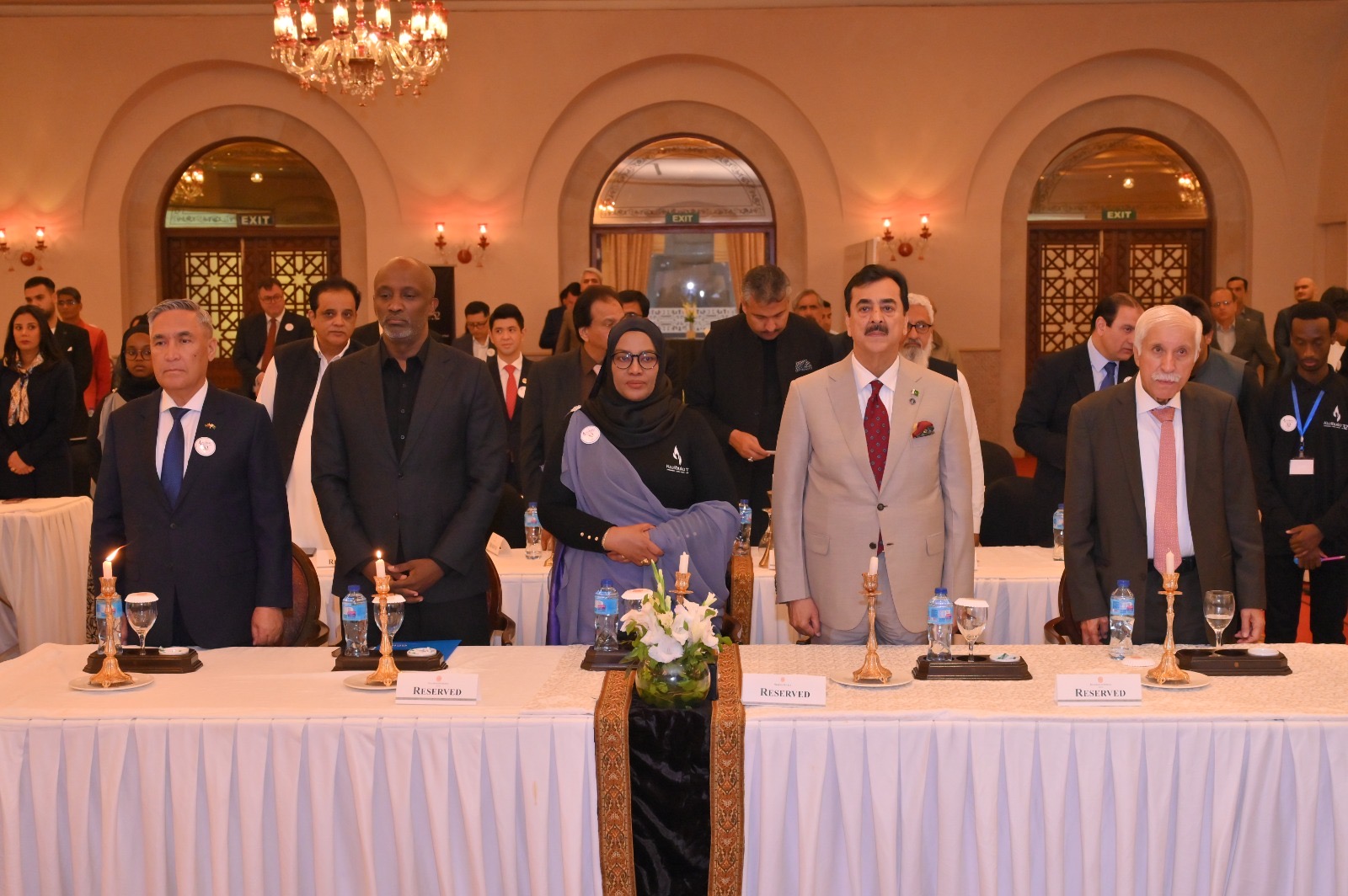
Islamabad, April 7, 2026 ( Kamran Raja): A solemn ceremony marking the 32nd anniversary of the 1994 Genocide against the Tutsi was held at Serena Hotel Islamabad on Tuesday, bringing together diplomats, government officials, and members of civil society in a powerful show of remembrance and solidarity.
Organized by the Rwanda High Commission in Pakistan alongside the Rwandan Community Abroad, the event commemorated one of the most tragic episodes in modern history, when more than one million people were killed in just 100 days in Rwanda.
The ceremony featured a minute of silence, the lighting of the Flame of Hope, and the screening of a documentary alongside survivor testimony, offering attendees a poignant reminder of the human cost of hatred and division.
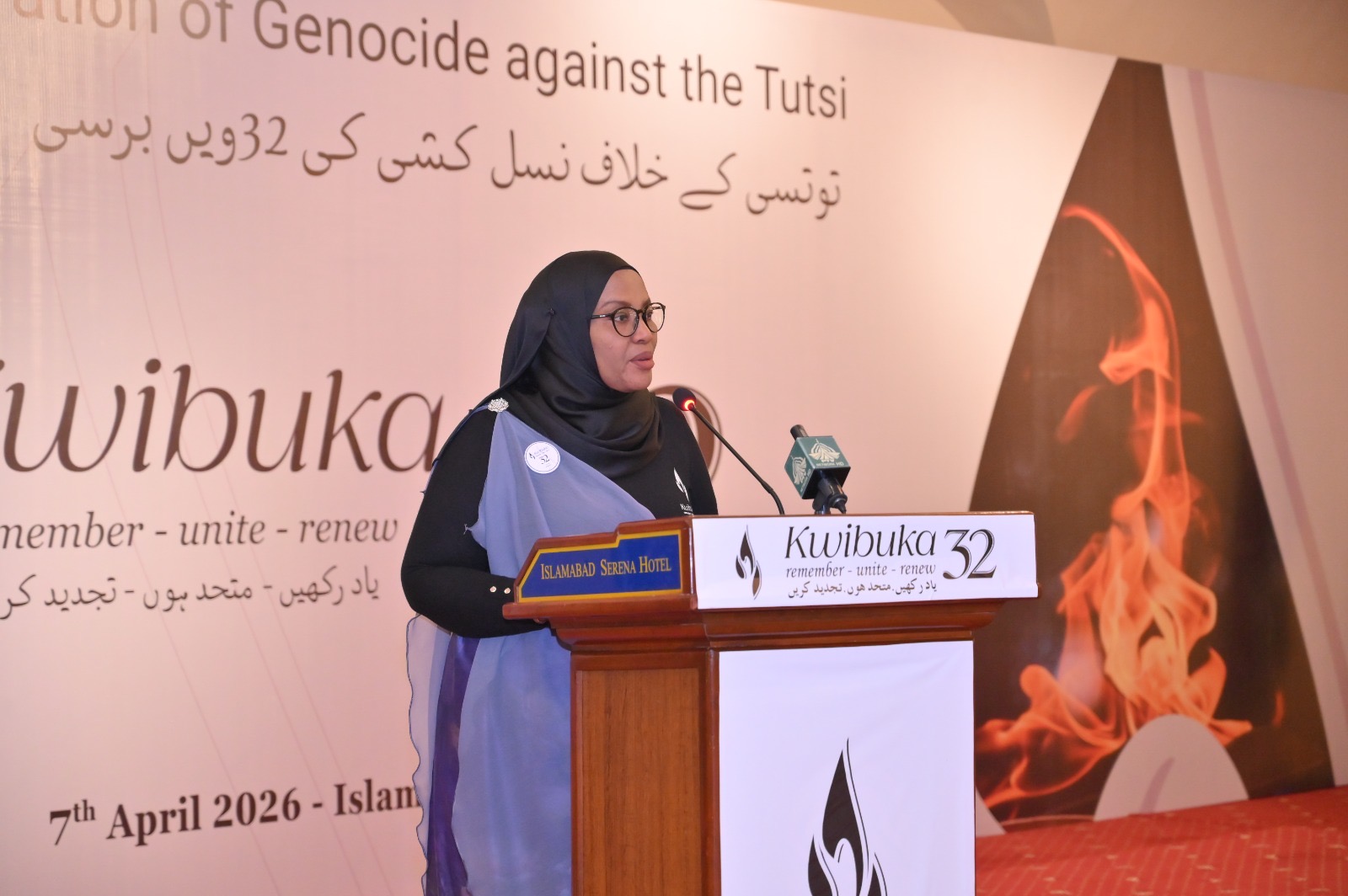
Rwanda’s High Commissioner to Pakistan, Harerimana Fatou, highlighted her country’s transformation from tragedy to resilience. She stressed that Rwanda’s commitment to unity under the “Ndi Umunyarwanda” identity has been central to rebuilding a peaceful nation, while noting that the annual “Kwibuka” commemoration serves as a global warning against hate and genocide ideology.
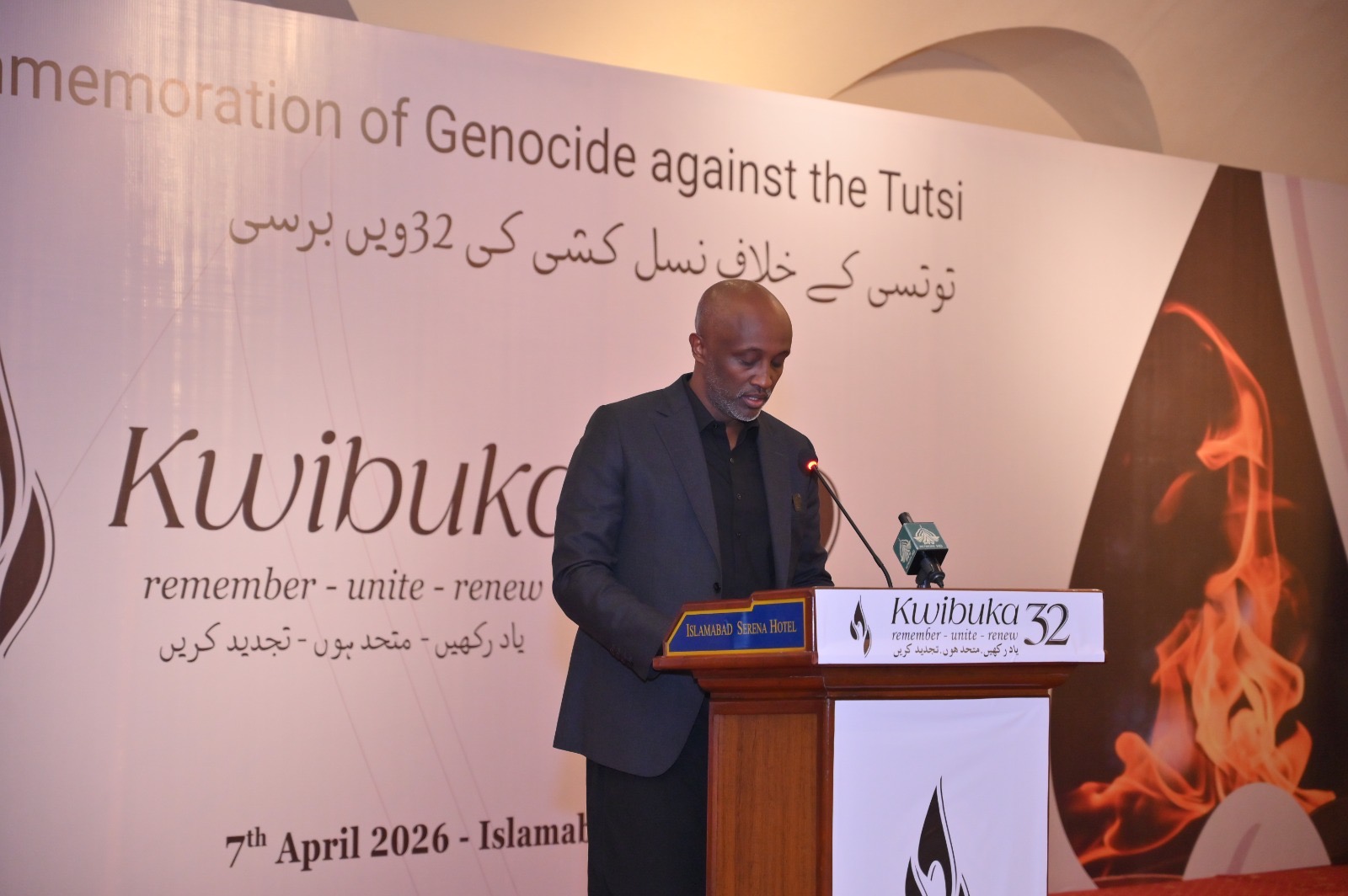
Speaking as the guest of honor, UN Resident Coordinator Muhammad Yahya said the genocide underscores how exclusion and the erosion of dignity can escalate into mass atrocities. He called for strengthened vigilance, human rights protections, and collective responsibility to prevent such tragedies.
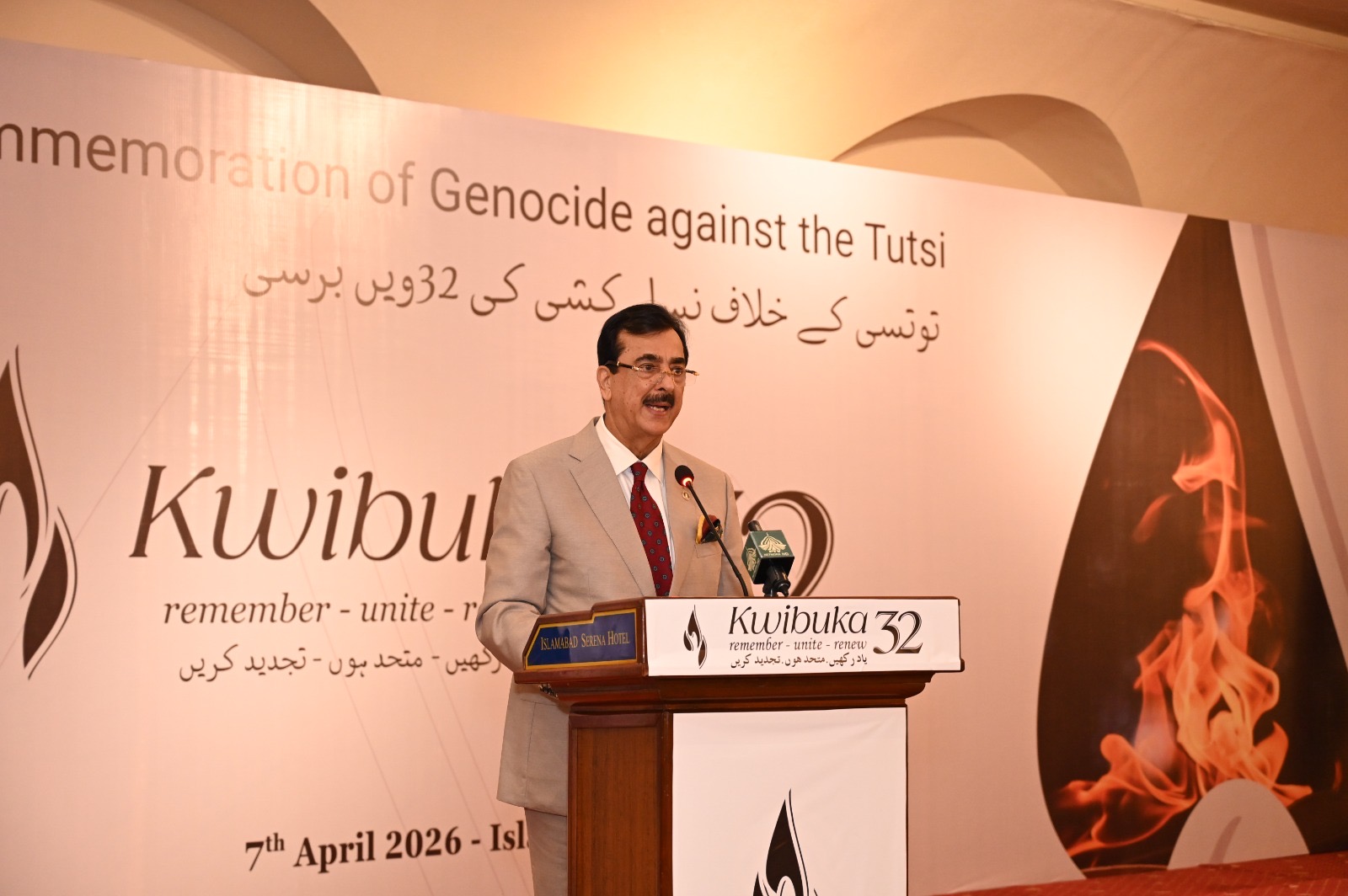
Chairman Senate Syed Yousaf Raza Gilani, who attended as Chief Guest, described the genocide as one of humanity’s darkest chapters. He expressed solidarity with Rwanda and praised its journey of reconciliation and national rebuilding.
He emphasized that remembrance must go beyond mourning and serve as a call to action, warning that unchecked hatred can lead to devastating consequences. He urged the international community to uphold justice, promote inclusive governance, and foster tolerance to ensure that such atrocities are never repeated.
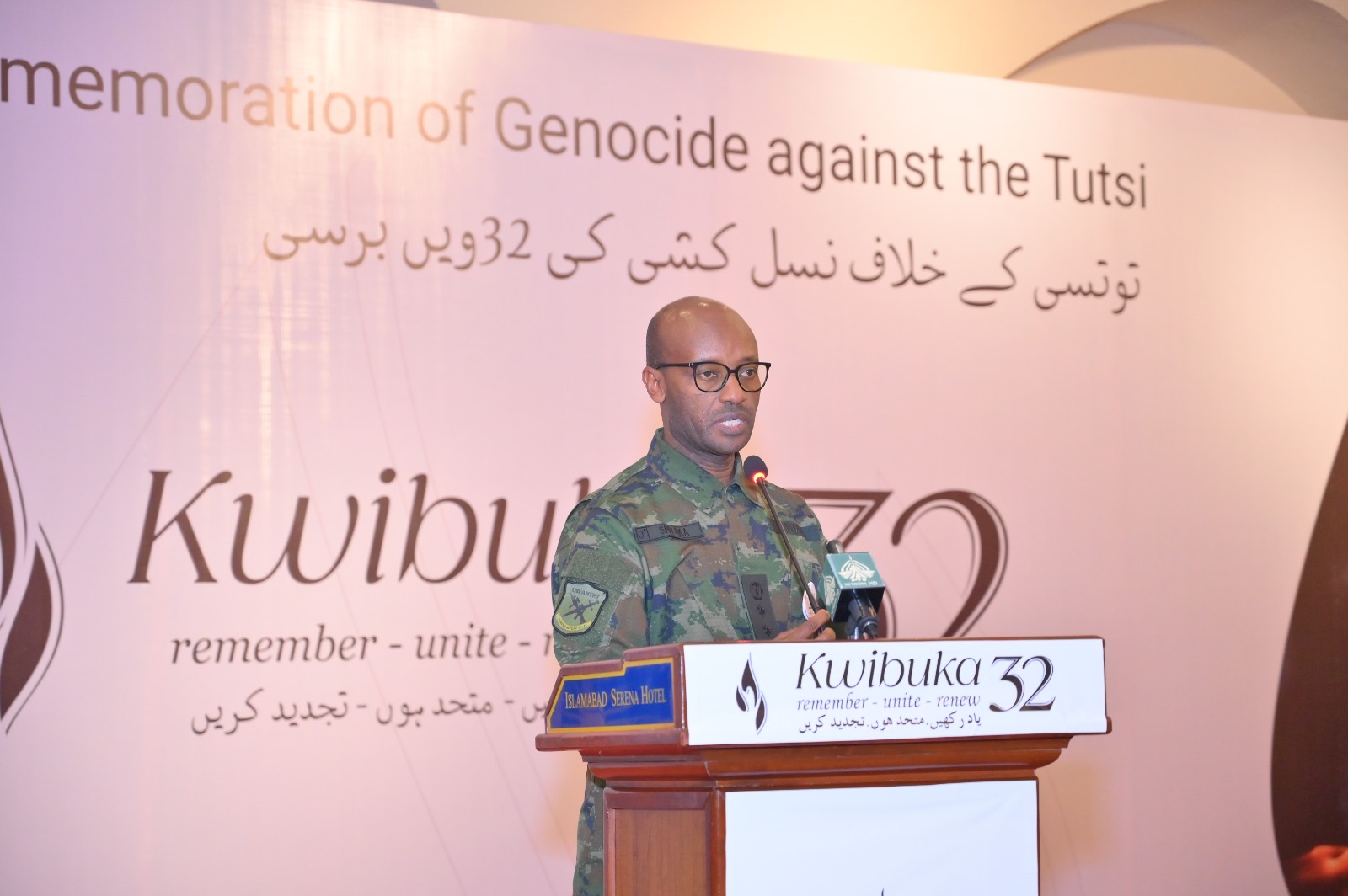
Addressing participants, the Rwandan Defence Attaché provided an in-depth analysis of the origins of the genocide, explaining how colonial-era policies distorted Rwanda’s social fabric and institutionalized ethnic divisions. He noted that these divisions laid the foundation for decades of discrimination, ultimately culminating in a planned and state-sponsored genocide driven by extremist ideology and propaganda.
Colonel Ismail also underscored the failure of the international community to intervene despite clear warning signs, calling it a critical lesson for global institutions. At the same time, he acknowledged the decisive role played by the Rwandan Patriotic Army in bringing the genocide to an end.
Highlighting Rwanda’s post-genocide recovery, he spoke about the country’s journey toward justice, reconciliation, and national unity. He pointed to community-based justice mechanisms such as the Gacaca Courts, as well as national identity-building initiatives like “Ndi Umunyarwanda,” as key pillars in rebuilding trust and cohesion within society.
Concluding his remarks, Colonel Ismail reflected on Rwanda’s guiding theme “Remember Unite Renew” emphasizing the importance of preserving historical truth, strengthening unity, and building a resilient future. He called on both Rwandans and the international community to uphold the pledge of “Never Again” through education, critical thinking, and collective responsibility.
The event drew over 200 participants from diplomatic missions, government institutions, international organizations, academia, media, and business sectors, reflecting a shared commitment to remembrance, unity, and peace.