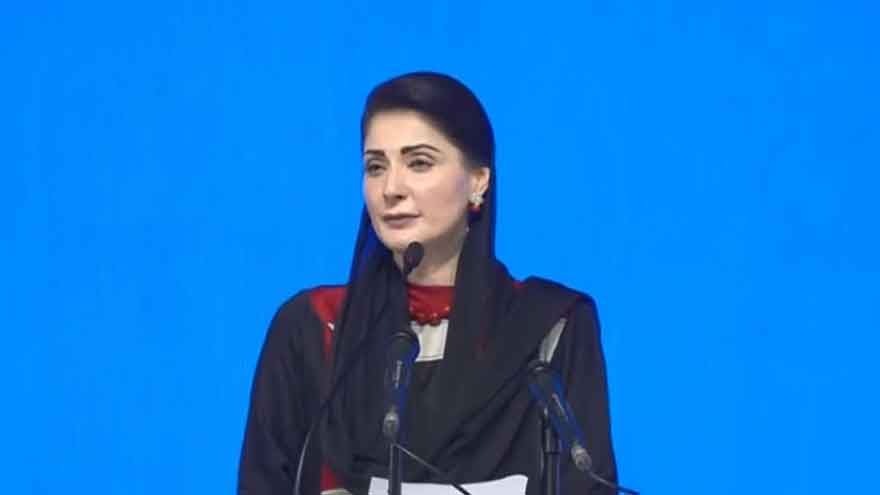
Sahiwal, 16 October, 2026 (Nosheen): Punjab Chief Minister Maryam Nawaz has claimed that Punjab is entering the era of artificial intelligence (AI), while criticising the Pakistan Tehreek-e-Insaf (PTI) government in Khyber Pakhtunkhwa, saying the province remains in the “Stone Age.” Addressing a laptop distribution ceremony for students in Sahiwal, she said her government was focusing on technological advancement, education reforms and public welfare. Maryam Nawaz alleged that PTI’s political protests had undermined its own government and questioned how one province could launch an attack against another province or the federal government. She said the people of Khyber Pakhtunkhwa would now witness the meaning of development. Crediting former prime minister Nawaz Sharif with building an extensive motorway network across the country, she said visitors from other provinces had appreciated the performance of Punjab’s government departments. The chief minister announced that 3,000 electric buses would operate across Punjab, with fares remaining at Rs20, and said the service would be extended to all tehsils of the province.
She added that instalments for electric scooters provided to students had been set at Rs3,000 to make payments affordable. Highlighting technological initiatives, Maryam Nawaz said AI laboratories were being established across Punjab and young people were being included in development projects. She also claimed that vice chancellors had been appointed on merit at all universities in the province, contrasting the situation with the time she assumed office, when, according to her, around 80 per cent of universities lacked vice chancellors. She emphasised that her government was committed to merit and would not entertain favouritism, even from family members. Maryam Nawaz further said her administration was taking public services directly to citizens, including delivering essential medicines to their homes, with the aim of ensuring basic facilities were accessible to every resident.