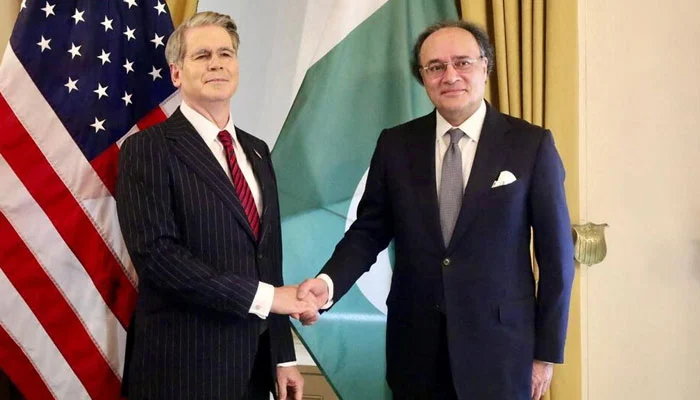
ISLAMABAD, 27 August, 2026 (Nosheen): Pakistan expects to receive a response from Washington within the next couple of months on its request for a $10 billion bilateral stabilisation facility, as Islamabad seeks to capitalise on improving relations with the Trump administration. Adviser to the Finance Minister Khurram Schehzad told Bloomberg that engagement with the United States on the proposed facility remained constructive. He said the facility could serve as a potential financial backstop and confidence signal, helping Pakistan maintain access to international markets and attract private capital. Pakistan had requested the US Treasury Secretary Scott Bessent last month to consider a Bilateral Exchange Stabilisation Support Facility with a maturity of up to five years, according to Reuters. Finance Minister Muhammad Aurangzeb later confirmed the request, saying the proposed arrangement was intended to signal stability in the currency and foreign exchange markets rather than function as a conventional loan or credit line. The request is currently under consideration by the US Treasury Department, with progress expected by September if approved. The proposed $10 billion facility comes after Pakistan played a role in diplomatic efforts surrounding the US-Iran conflict, raising hopes that Islamabad could secure economic benefits from Washington and other international partners.Prime Minister Shehbaz Sharif and Chief of Defence Forces and Chief of Army Staff Field Marshal Asim Munir have played prominent roles in diplomacy surrounding the Middle East conflict. The development comes as Pakistan’s economic outlook shows signs of improvement following a series of measures aimed at stabilising the country’s finances. Pakistan has secured a $7 billion three-year programme from the International Monetary Fund, along with financial support from allied countries. Moody’s Ratings recently upgraded Pakistan’s sovereign credit rating, citing an improved external position, stronger fiscal indicators and lower domestic financing costs.Pakistan has also returned to international debt markets this year after a four-year absence, raising funds through a eurobond and issuing its first yuan-denominated notes in China.