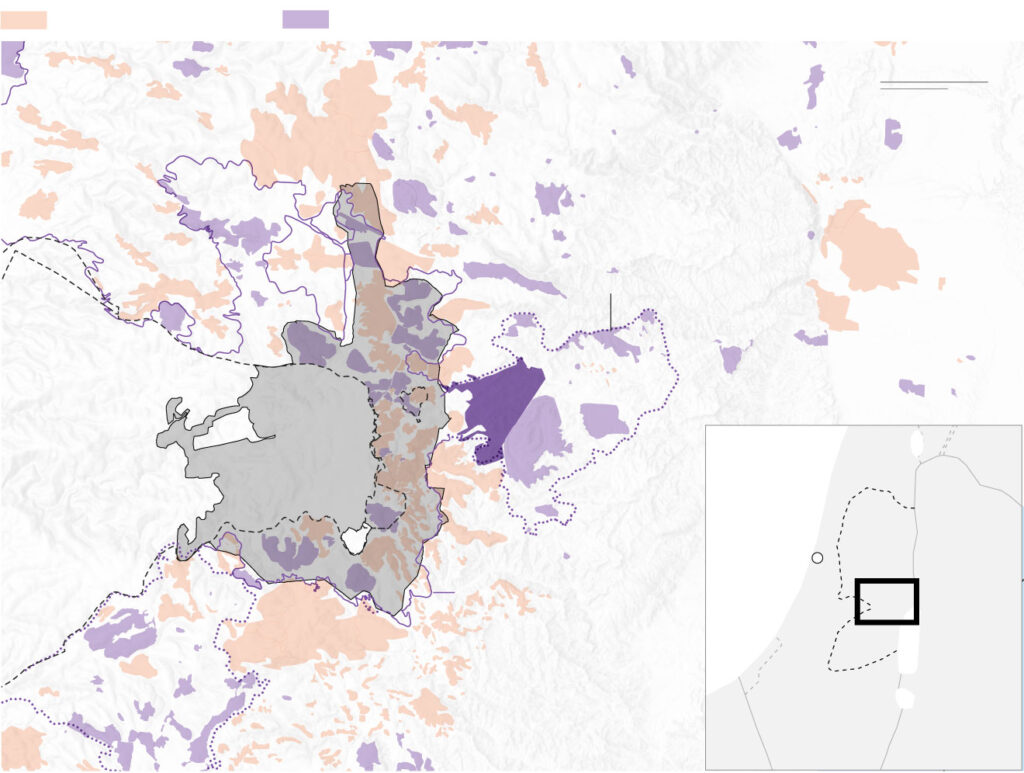
JERUSALEM, 24 August, 2026 (Nosheen): Israel has moved forward with a controversial settlement plan in the occupied West Bank that has drawn strong international condemnation and renewed concerns over the future of a two-state solution. Israel’s Housing Ministry has invited bids for the construction of more than 1,200 housing units in the E1 area near Jerusalem. The project aims to establish a continuous bloc of Israeli settlements between East Jerusalem and the West Bank. Critics warn that the planned settlement could divide the West Bank into northern and southern sections and separate East Jerusalem from the rest of the territory, making the establishment of a geographically contiguous Palestinian state increasingly difficult. The deadline for construction bids falls one week before Israel’s elections scheduled for the end of October. Israeli settlement watchdog Peace Now described the move as a last-minute measure that could deepen conflict and prolong instability.Israel had for years delayed development in the E1 area because of international criticism and diplomatic pressure. However, the government of Prime Minister Benjamin Netanyahu has accelerated settlement planning and approvals across the occupied West Bank. Several Western countries, including Canada, Australia and Germany, have previously warned companies against participating in settlement construction, citing potential legal and reputational consequences.
Leaders from France, Germany, Italy, the United Kingdom, Norway, Canada and the Netherlands have also expressed concern over the E1 plan, particularly amid escalating settler violence and restrictions affecting the Palestinian economy. UK Foreign Secretary Ed Miliband described the decision to advance the plans as an “unacceptable and destructive act,” warning that Britain would not accept actions that undermine the two-state solution. Israeli Foreign Minister Gideon Saar rejected the criticism, arguing that Britain should not dictate where Jewish people can live in Israel’s historic homeland. The international community and the United Nations consider Israeli settlements in the occupied West Bank illegal under international law. Despite this, unauthorized settler outposts have continued to expand, with some later receiving approval from Israeli authorities. Palestinian Ambassador to the United Nations Riyad Mansour described the decision to advance construction in E1 as extremely dangerous and called for the plan to be stopped. Egypt also rejected the Israeli tenders, urging the international community to prevent the expansion of settlements and what it described as attempts to alter the legal and demographic character of occupied Palestinian territory.