Wednesday, December 10

USD 500K Funding from The Coca-Cola Foundation to UNOPS in Pakistan for a Plastic Waste Collection Project

USD 500K Funding from The Coca-Cola Foundation to UNOPS in Pakistan
for a Plastic Waste Collection Project
Islamabad, Pakistan – 28 November 2025: The Coca-Cola Foundation (TCCF) is supporting
the United Nations Office for Project Services (UNOPS), and International Labour
Organization (ILO), to initiate a pilot project titled,
‘Sustainability & Decent Work in
Pakistan’s PET* Recycling Value Chain’
. The Foundation is providing USD 500K for the
project that will be implemented in Islamabad Capital Territory (ICT), an area that
generates over 3,300 tons of municipal solid waste daily, with an estimated 79% being
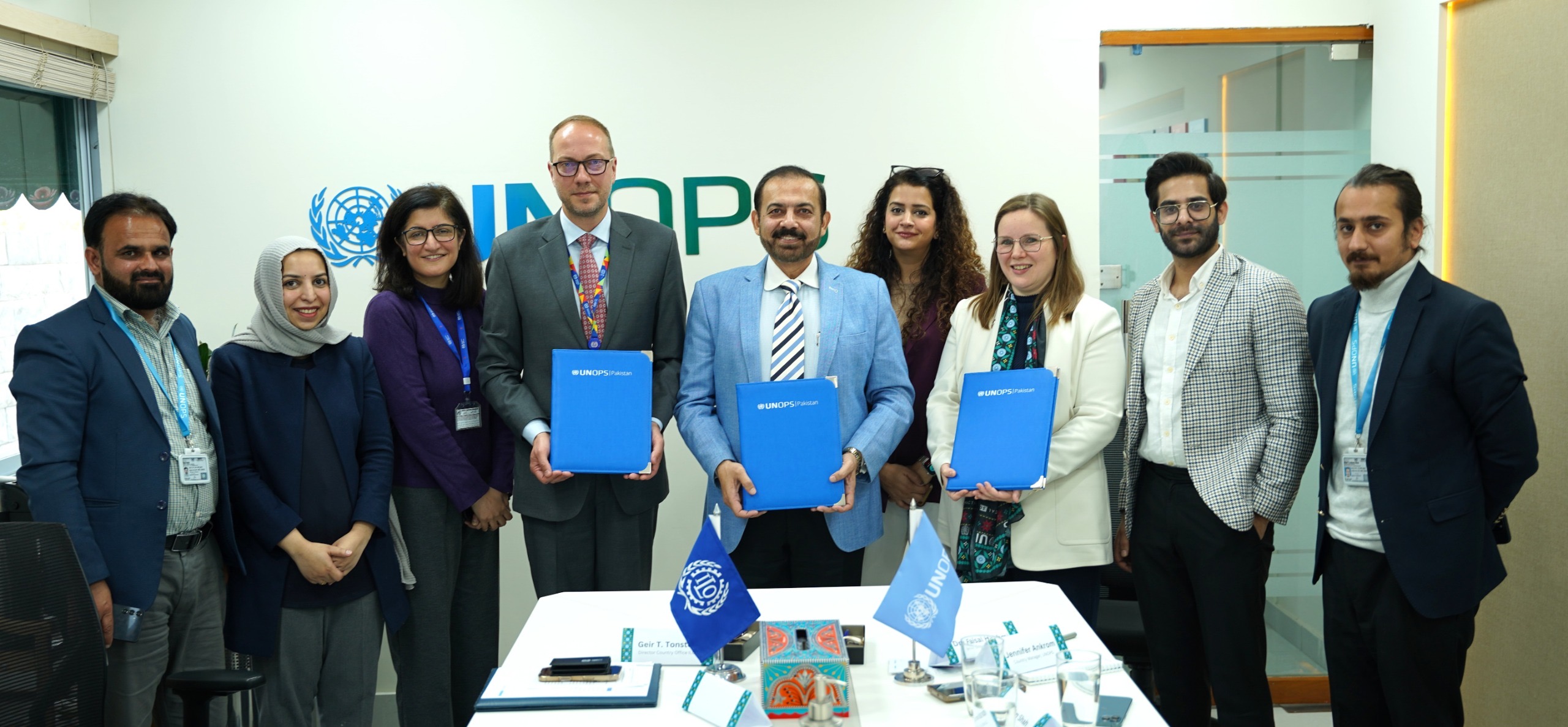
recyclable. This partnership was finalized in Islamabad by Dr . Faisal Hashmi, Senior
Director , Public Affairs, Communication & Sustainability, Coca-Cola Pakistan, Ms. Jennifer
Ankrom, Country Manager , UNOPS Pakistan and Geir Tonstol, Country Director for ILO
Pakistan, along with other representatives from the ILO, UNOPS’ key project partner were
also in attendance.
Key activities under this project include undertaking a comprehensive analysis of
challenges; providing training on occupational safety and health to waste pickers and
handlers; facilitating the formation of cooperatives for waste pickers; and conducting a
diagnostic study to map the PET value chain. ILO, as the UN specialized agency for decent
work, will bring essential expertise on labor rights, occupational safety, and worker
formalization.
“This collaboration with UNOPS, and ILO demonstrates The Coca-Cola Foundation’s
commitment to advancing waste collection and management systems while ensuring that those
at the heart of the system, the informal waste pickers, receive the recognition, protection, and
opportunities they deserve,
” said Carlos Pagoaga, President, The Coca-Cola Foundation.
Dr . Faisal Hashmi, Senior Director , Public Affairs, Communication & Sustainability,
Coca-Cola Pakistan, echoed this commitment, and added: “We thank TCCF for their support
to this project, which represents a tangible step forward in creating shared value in the local
community.
"
Highlighting the importance of this collaboration, Ms. Jennifer Ankrom, Country Manager ,
UNOPS Pakistan, noted: “By strengthening the PET recycling value chain, this initiative not only
tackles the urgent challenge of plastic pollution but also empowers Pakistan’s informal waste
pickers with safer, more dignified livelihoods. Together with The Coca-Cola Foundation, we are
setting up a model to transform waste into opportunity.
”
Geir Tonstol, Director for the International Labour Organization (ILO) in Pakistan, stressed
the importance of improving the PET recycling value chain that requires not only technical
solutions but also a strong focus on people. He expressed that this partnership provides
an important opportunity to enhance working conditions for informal waste pickers and to
promote decent work practices across the system, applying the core expertise of ILO.
According to WWF, in Pakistan, nearly two million tonnes of plastic waste is generated
each year , of which 86% is not managed properly. Similar to many other developing
nations, Pakistan faces a challenge in terms of waste collection and management systems,
resulting in environmental challenges. The results of the pilot project will encourage
adoption of a similar framework for more sustainable and inclusive waste collection,
management, and recycling at the national level.
The pakistan times

Islamabad, 28 November 2025(Kamran Raja): The Coca-Cola Foundation (TCCF) is supporting the United Nations Office for Project Services (UNOPS), and International Labour Organization (ILO), to initiate a pilot project titled, Sustainability & Decent Work in Pakistan’s PET* Recycling Value Chain’

The Foundation is providing USD 500K for the project that will be implemented in Islamabad Capital Territory (ICT), an area that generates over 3,300 tons of municipal solid waste daily, with an estimated 79% being recyclable. This partnership was finalized in Islamabad by Dr . Faisal Hashmi, Senior

Director , Public Affairs, Communication & Sustainability, Coca-Cola Pakistan, Ms. Jennifer, Country Manager , UNOPS Pakistan and Geir Tonstol, Country Director for ILO Pakistan, along with other representatives from the ILO, UNOPS’ key project partner were also in attendance. Key activities under this project include undertaking a comprehensive analysis of challenges; providing training on occupational safety and health to waste pickers and handlers; facilitating the formation of cooperatives for waste pickers; and conducting a diagnostic study to map the PET value chain. ILO, as the UN specialized agency for decent work, will bring essential expertise on labor rights, occupational safety, and worker formalization.

“This collaboration with UNOPS, and ILO demonstrates The Coca-Cola Foundation’s commitment to advancing waste collection and management systems while ensuring that those at the heart of the system, the informal waste pickers, receive the recognition, protection, and opportunities they deserve,” said Carlos Pagoaga, President, The Coca-Cola Foundation. Dr . Faisal Hashmi, Senior Director , Public Affairs, Communication & Sustainability, Coca-Cola Pakistan, echoed this commitment, and added: “We thank TCCF for their support to this project, which represents a tangible step forward in creating shared value in the local community. Highlighting the importance of this collaboration, Ms. Jennifer Ankrom, Country Manager ,

UNOPS Pakistan, noted that by strengthening the PET recycling value chain, this initiative not only tackles the urgent challenge of plastic pollution but also empowers Pakistan’s informal waste pickers with safer, more dignified livelihoods. Together with The Coca-Cola Foundation, we are setting up a model to transform waste into opportunity.

Geir Tonstol, Director for the International Labour Organization (ILO) in Pakistan, stressed the importance of improving the PET recycling value chain that requires not only technical solutions but also a strong focus on people. He expressed that this partnership providesan important opportunity to enhance working conditions for informal waste pickers and to promote decent work practices across the system, applying the core expertise of ILO. 

According to WWF, in Pakistan, nearly two million tonnes of plastic waste is generated each year , of which 86% is not managed properly. Similar to many other developing nations, Pakistan faces a challenge in terms of waste collection and management systems, resulting in environmental challenges. The results of the pilot project will encourage adoption of a similar framework for more sustainable and inclusive waste collection, management, and recycling at the national level.