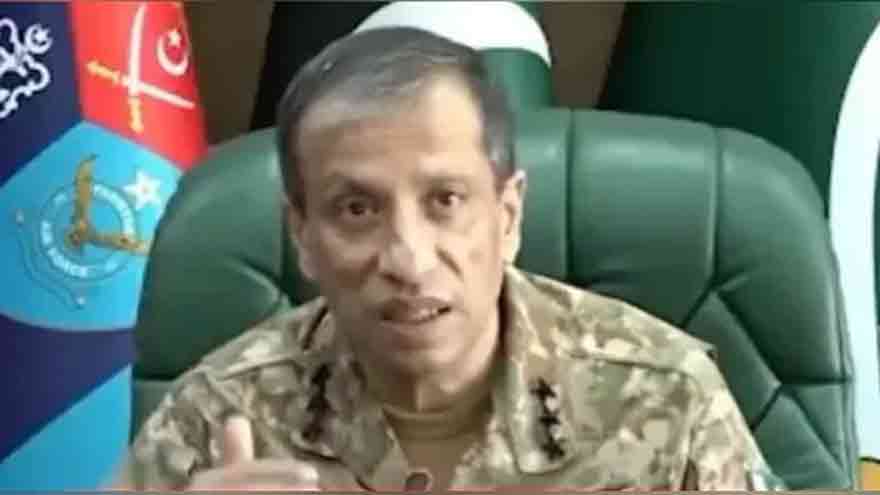
RAWALPINDI, 19 October, 2026 (Nosheen): Director General Inter-Services Public Relations (DG ISPR) Lieutenant General Ahmed Sharif Chaudhry has called for a negotiated settlement to the ongoing Middle East conflict, stressing that diplomacy is essential to prevent further military escalation. In an interview with an Arab television channel, the military spokesperson said that if diplomatic efforts failed and military confrontation occurred, the collective deterrence mechanism of the Makkah Alliance would come into action. Describing the Makkah Joint Defence Agreement as a significant development achieved in a short period, he said it reflected the shared vision and unity of the three participating countries. He reaffirmed Pakistan’s unwavering commitment to protecting Saudi Arabia’s sovereignty, territorial integrity and the holy sites of Makkah and Madinah, adding that the country’s political leadership and Field Marshal had already conveyed Pakistan’s clear position on the matter. Lieutenant General Chaudhry said attacks on holy sites had triggered strong public, political and military reactions, warning that further escalation of tensions would benefit no country. Emphasising the risks of a wider confrontation, he said expanding the military conflict in the Middle East was not in anyone’s interest and urged all parties to pursue a negotiated settlement to prevent the situation from deteriorating further. The DG ISPR maintained that the Makkah Alliance had clearly defined leadership and objectives and was not directed against any particular country. He said Pakistan, Saudi Arabia and Türkiye shared a commitment to peace, stability and prosperity in the region, stressing that the alliance was intended to promote regional security rather than aggression. He also called for greater unity among Muslim countries, urging regional states to work together to resolve disputes through dialogue and cooperation instead of engaging in conflict with one another.