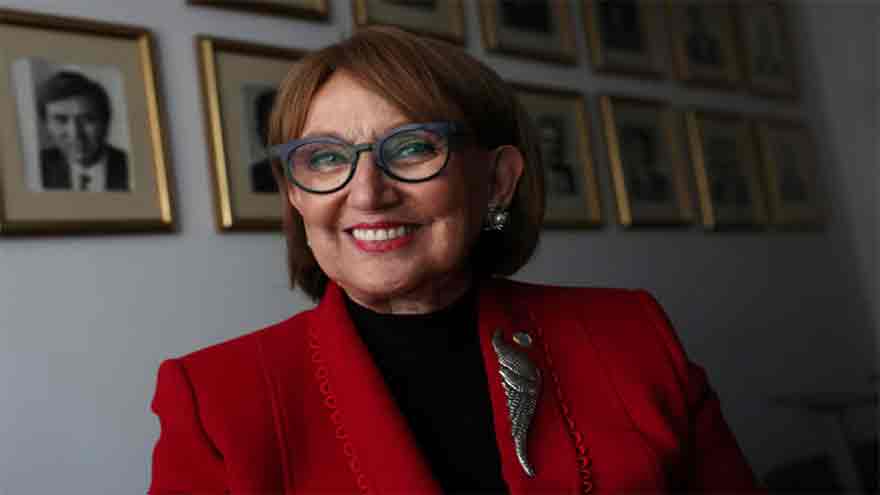
United Nations, 16 October, 2026 (Kamran Raja): Rebeca Grynspan, the leading candidate to become the next United Nations secretary-general, has called for comprehensive reforms within the global organisation, saying the UN has become too risk-averse and needs more proactive diplomacy, reduced bureaucracy and improved efficiency. Speaking to Reuters on Thursday ahead of another Security Council poll to assess support for candidates seeking to succeed Antonio Guterres, whose second five-year term ends on December 31, Grynspan said the next UN chief must be willing to accept diplomatic setbacks and make renewed efforts to resolve international conflicts. The former vice president of Costa Rica stressed that cost-cutting alone would not revive an organisation facing declining resources and political influence. She called for job reductions, the elimination of duplicated responsibilities among UN agencies and a sharper focus on the organisation’s core objectives. Referring to her tenure as head of the UN Conference on Trade and Development, Grynspan said she had reduced staffing positions by 20 per cent while strengthening the institution’s focus. She also supported concerns about bureaucratic expansion and overlapping mandates, arguing that greater coordination and discipline were necessary to improve implementation.
Grynspan called for more flexible approaches to peacekeeping and urged the secretary-general to work closely with the five permanent members of the Security Council to explore alternative arrangements where traditional peacekeeping operations were not feasible. Citing the multinational support mission in Haiti, she said the UN should be open to new approaches and learn from practical experience. According to diplomats familiar with the selection process, Grynspan has led four of the five informal straw polls and secured nine votes in favour in the latest round. The successful candidate must receive at least nine votes from the 15-member Security Council without opposition from any of its five permanent members: the United States, China, Russia, France and the United Kingdom. Friday’s poll is expected to use colour-coded ballots for the first time to indicate whether a permanent member opposes a candidate. Grynspan acknowledged that she could receive an unfavourable vote but expressed confidence that such opposition could be overcome. If elected, she would become the first woman to serve as UN secretary-general. However, she cautioned that the selection process remained open, with other senior political figures reportedly considering entering the race.