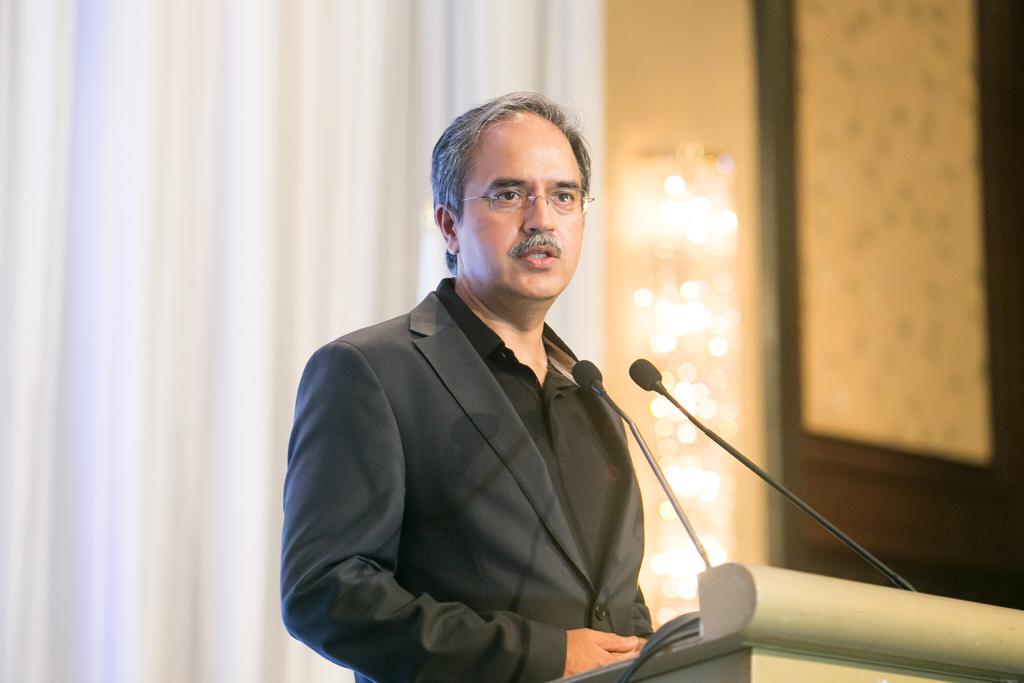
UNITED NATIONS, 25 August, 2026 (Kamran Raja): Pakistan has urged Russia and Ukraine to immediately halt hostilities, return to diplomacy and resume meaningful dialogue to achieve lasting peace and stability in the region as drone and missile attacks on civilians continue to escalate. Speaking during a UN Security Council debate on the worsening situation in Ukraine, Pakistan’s Permanent Representative to the United Nations, Ambassador Asim Iftikhar Ahmad, expressed deep concern over the growing scale and intensity of attacks carried out by both sides. “We deplore the escalation – the scale and intensity of attacks carried out by the parties on multiple fronts, upending lives and livelihoods in the affected regions,” Ambassador Asim Iftikhar Ahmad said. He also expressed concern over reports of attacks targeting critical energy and food-supply infrastructure, warning that such strikes could further undermine fragile global food and energy security and affect people well beyond the conflict zone. The Pakistani envoy stressed that protecting civilians, humanitarian personnel and civilian infrastructure is a fundamental obligation under International Humanitarian Law and must be respected by all parties. He warned that violations of international humanitarian law risk further escalation, worsening human suffering and reducing the prospects for lasting peace.
Ambassador Asim Ahmad reiterated Pakistan’s consistent call for serious and meaningful dialogue, emphasizing that the pursuit of a military solution should be abandoned. He said the only viable path to sustainable peace was a mutually acceptable peaceful settlement consistent with the purposes and principles of the UN Charter, the legitimate security interests of all sides and relevant multilateral agreements. UN Under-Secretary-General for Political and Peacebuilding Affairs Rosemary DiCarlo told the Council that civilian casualties continue to rise as the war enters another year. According to DiCarlo, July witnessed the highest number of civilian deaths in Ukraine since May 2022, while child casualties reached their highest monthly level since April 2022. She said Russian forces had intensified large-scale strikes against Ukrainian cities and civilian infrastructure, including recent attacks on Kyiv, Kharkiv, Kryvyi Rih and Mykolaiv. The UN Human Rights Office has verified 16,874 civilian deaths, including 820 children, and more than 51,000 injuries since February 2022. DiCarlo also expressed concern over Ukrainian attacks causing civilian casualties in Russia and warned that attacks on ports and shipping infrastructure in the Black Sea and Sea of Azov could threaten maritime trade and global food security.Calling the continuing cycle of violence and escalation “intolerable,” she urged all diplomatic efforts toward a full, immediate and unconditional ceasefire leading to a just, lasting and comprehensive peace in accordance with international law and the UN Charter.
UN Under-Secretary-General for Humanitarian Affairs and Emergency Relief Coordinator Tom Fletcher said civilian casualties in Ukraine during the first half of 2026 increased by 37 percent compared with the same period last year. During a visit to Ukraine, Fletcher said he witnessed how drone warfare was “dismantling civilian life,” with a 60 percent increase in first-person-view drone attacks during 2026. At a hospital near the front line, he said, around 70 percent of civilian patients were being treated for blast injuries, predominantly caused by drones. Fletcher also warned that humanitarian workers are increasingly at risk. Ten aid workers were killed and nearly 40 injured between January and July, while at least 20 warehouses were destroyed. Despite the dangers, humanitarian organizations reached more than 3 million people during the first half of 2026. Fletcher urged the Security Council to uphold international humanitarian law, protect humanitarian operations and prepare for a difficult winter, stressing that civilians urgently need protection, humanitarian assistance and, above all, an end to the war.